





Even Realities, a smart glasses brand that has taken Western markets by storm, recently announced that its parent company—Shenzhen-based Even Realities Technology—has successfully completed a $150 million Pre-Series B funding round. Backed heavily by industry giants like Tencent and Meituan, the company’s valuation has officially surpassed the $1 billion threshold. Securing its place as a “unicorn” startup, Even Realities has rapidly become a highly watched rising star in the wearable tech industry.
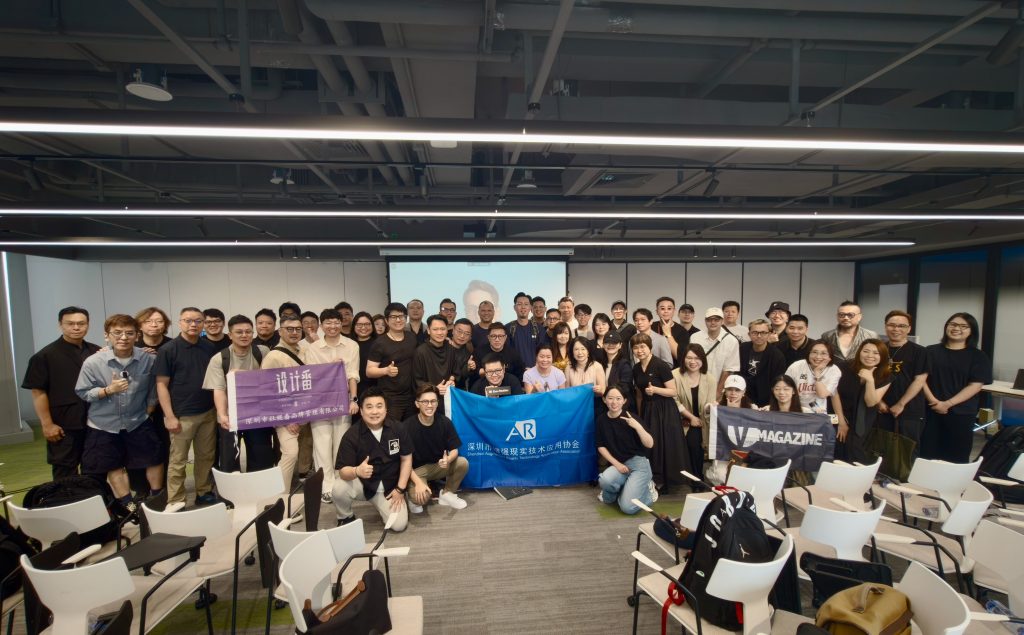
During the Shenzhen International Optics Fair in June, V.MAGAZINE organized an exclusive tour for professional eyewear retail teams from Mainland China, Hong Kong, Macau, Taiwan, Malaysia, and Japan to visit the Even Realities headquarters in Shenzhen. The visit offered an inside look at the brand’s core R&D capabilities, minimalist and innovative design philosophy, and its distinct ecosystem within the industry.

A Star-Studded Cross-Industry Team: Apple Engineers Meet European Luxury Eyewear Icons
Even Realities was founded in 2023 by Will Wang, a Chinese engineer who previously worked as a hardware engineer at Apple, where he was involved in R&D for the Apple Watch and iPhone. In founding the company, Wang has always stuck to one core principle: “A pair of smart glasses must first be a great pair of glasses.”
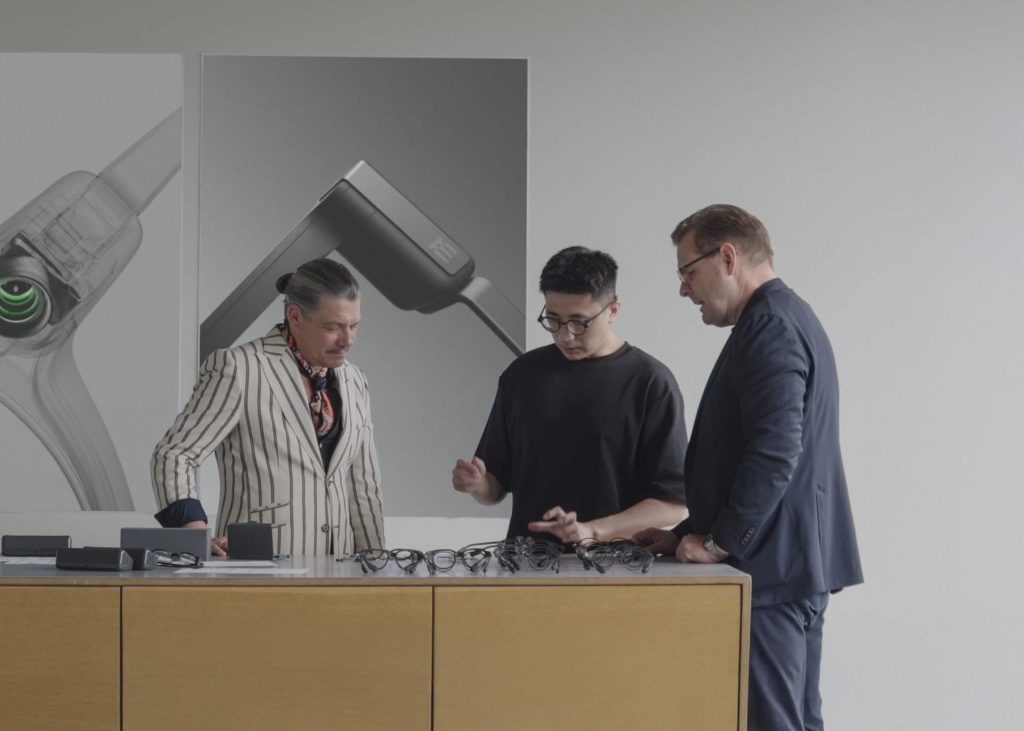
To realize this vision, Even Realities brought together a heavyweight team. Alongside veteran hardware engineers from Apple and Samsung, the company recruited elite talent from the European luxury eyewear industry. This includes Philipp Haffmans, co-founder of renowned eyewear brands MYKITA and ic! berlin, and Nikolaj Schnoor, the former Chief Commercial Officer of LINDBERG.
This powerhouse cross-discipline collaboration enabled Even Realities to create smart glasses that blend a minimalist aesthetic and top-tier optical craftsmanship with robust AI functionality. Philipp Haffmans is famous for his mastery of minimalism, ultra-lightweight design, and patented screwless hinge systems. The patented hinges on the Even G1 and the latest G2 models—which feature zero exposed screws—were developed under Haffmans’ expert leadership.
A Philosophy of Subtraction: Returning to the Essence of Eyewear
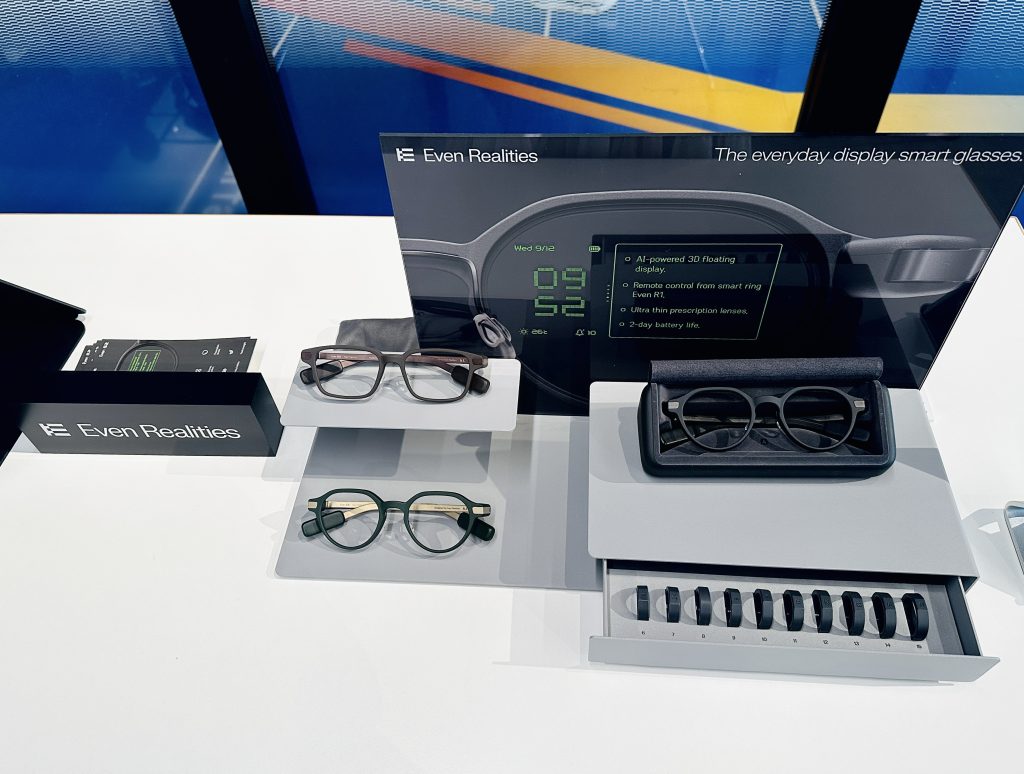
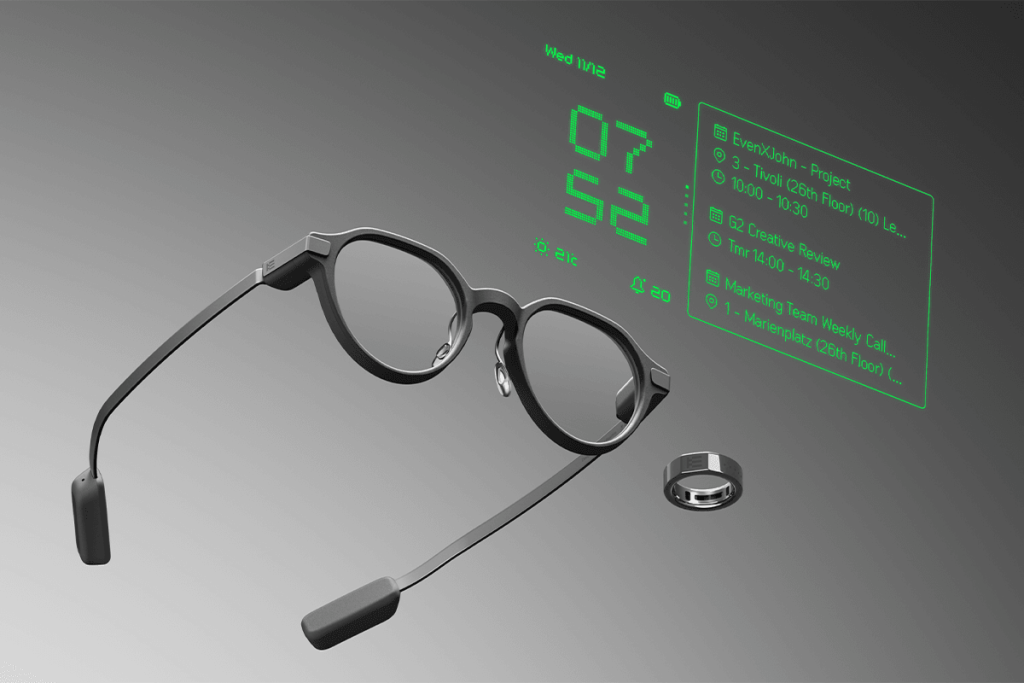
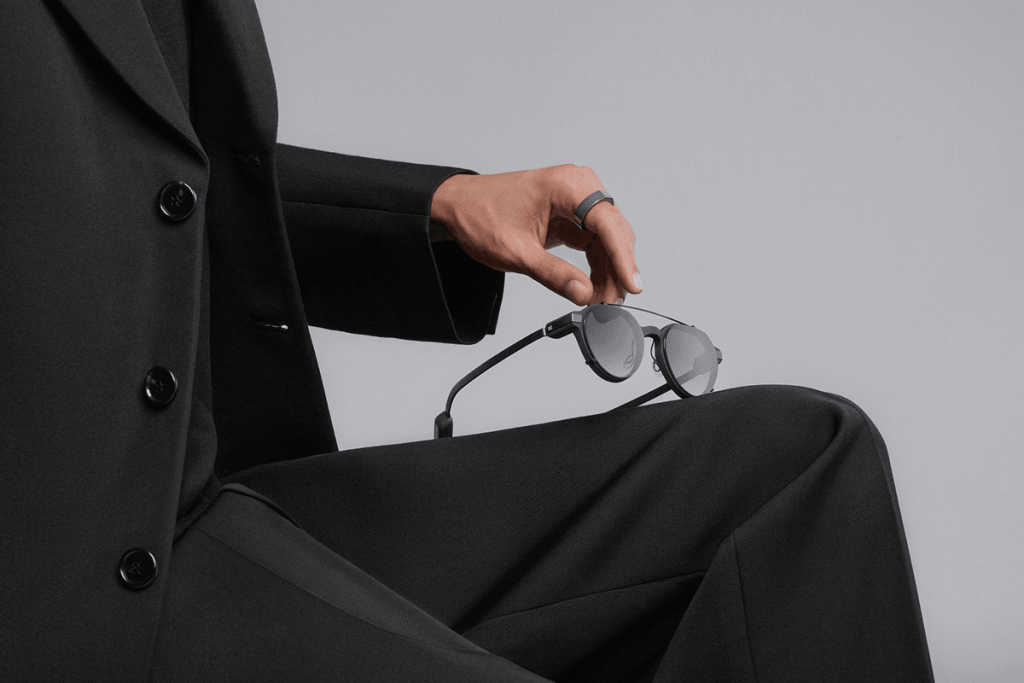
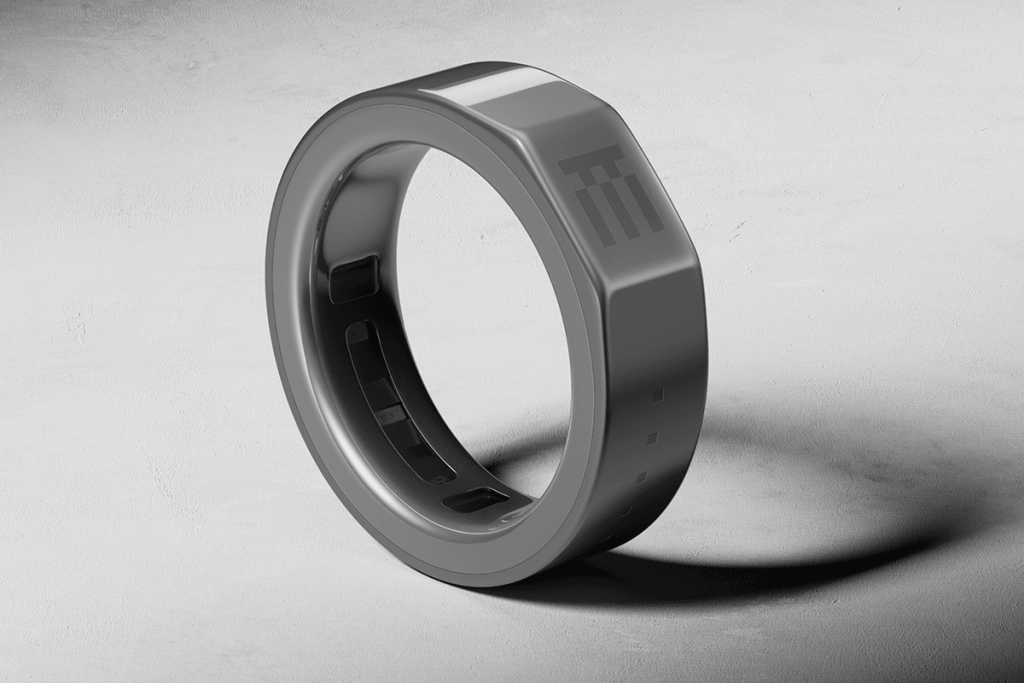
While most smart glasses on the market chase all-in-one functionality, Even Realities takes the opposite approach. The brand stays true to the essence of traditional eyewear, ensuring its products look completely natural and feel lightweight. Their glasses intentionally exclude cameras and speakers, relying instead on a streamlined interface comprising built-in microphones, a monochrome green display, and an accompanying smart ring.
The design team concentrated the primary electronic components at the tips of the temple arms and tucked micro-displays into the hinges. Thanks to this ultra-refined architecture, the AI glasses weigh as little as 37 grams. This delivers the same all-day comfort as regular frames and allows AI utility to blend into daily life seamlessly.

Targeting Global High-End Markets: A Focus on Executives and Professionals
Unlike Ray-Ban Meta or Snap, which position their smart glasses as tools for social media, entertainment, and content creation, Even Realities targets a premium niche as a “high-end business and productivity tool.” Its primary features include a teleprompter, real-time translation, navigation, and live notification streams covering calls, messages, calendar alerts, and financial data.
According to official brand data, Even Realities’ target audience is well-defined: male professionals aged 30 to 50 represent their core customer base. These executives and professionals juggle back-to-back meetings, review complex data daily, and travel frequently for international business. They need technology that boosts their efficiency, but they cannot wear bulky, camera-equipped “tech toys” to client meetings.
The minimalist look of Even Realities aligns with their need for a polished, professional image. Furthermore, the fluid teleprompter mode and real-time translation features serve as discreet tools for executives and public speakers looking to optimize their workflow and performance.
Premium Eyewear Pricing: Luxury Tech with Justifiable Value
The latest Even G2 model retails at a base price of $599. Custom prescription lenses (for myopia or astigmatism) cost an additional $159, while progressive lenses push the total frame price closer to $1,000 to $1,300. Adding the R1 smart ring controller (around $249) and a magnetic sunglass clip ($99) brings a full setup to a starting cost of roughly $1,000. This places their pricing higher than competitors like Ray-Ban Meta or Rokid.
However, this price point makes sense within the high-end eyewear industry. First, the MicroLED display combined with diffractive optical waveguide technology is among the most expensive display solutions available, demanding high R&D and manufacturing thresholds. Second, the brand positions itself as a luxury fashion item rather than a standard consumer electronic. In the traditional eyewear market, a non-smart frame from MYKITA or LINDBERG easily retails between $500 and $800. For high-earning business professionals, spending around $1,000 to subtly read prompts, view live dashboards during meetings, and get real-time translations while maintaining a sophisticated look represents a high-return investment.
Tech Steps Back, Aesthetics Step Forward: How Even Realities Redefines Smart Eyewear
Even Realities’ recent elevation to unicorn status is more than just validation from the capital markets; it offers a profound revelation for the entire wearable technology industry.
At a time when most tech giants are aggressively trying to “smartphone-ify” and pack endless functionalities into smart glasses, Even Realities has chosen a different path. They have cleverly concealed technology behind the lenses, wrapping it in premium European eyewear aesthetics to deliver precise situational utility and an unparalleled user experience.
This “invisible technology”—which minimizes the intrusion of tech to an absolute whisper—creates a sense of balance that, combined with flawless design aesthetics, undoubtedly carves out a brand-new trajectory for smart eyewear. Ultimately, this disciplined path of subtraction may just be the quiet revolution that reshapes the future.